EXPLORE ALL NEIGHBORHOODS IN LA CRESTA / SANTA ROSA PLATEAU
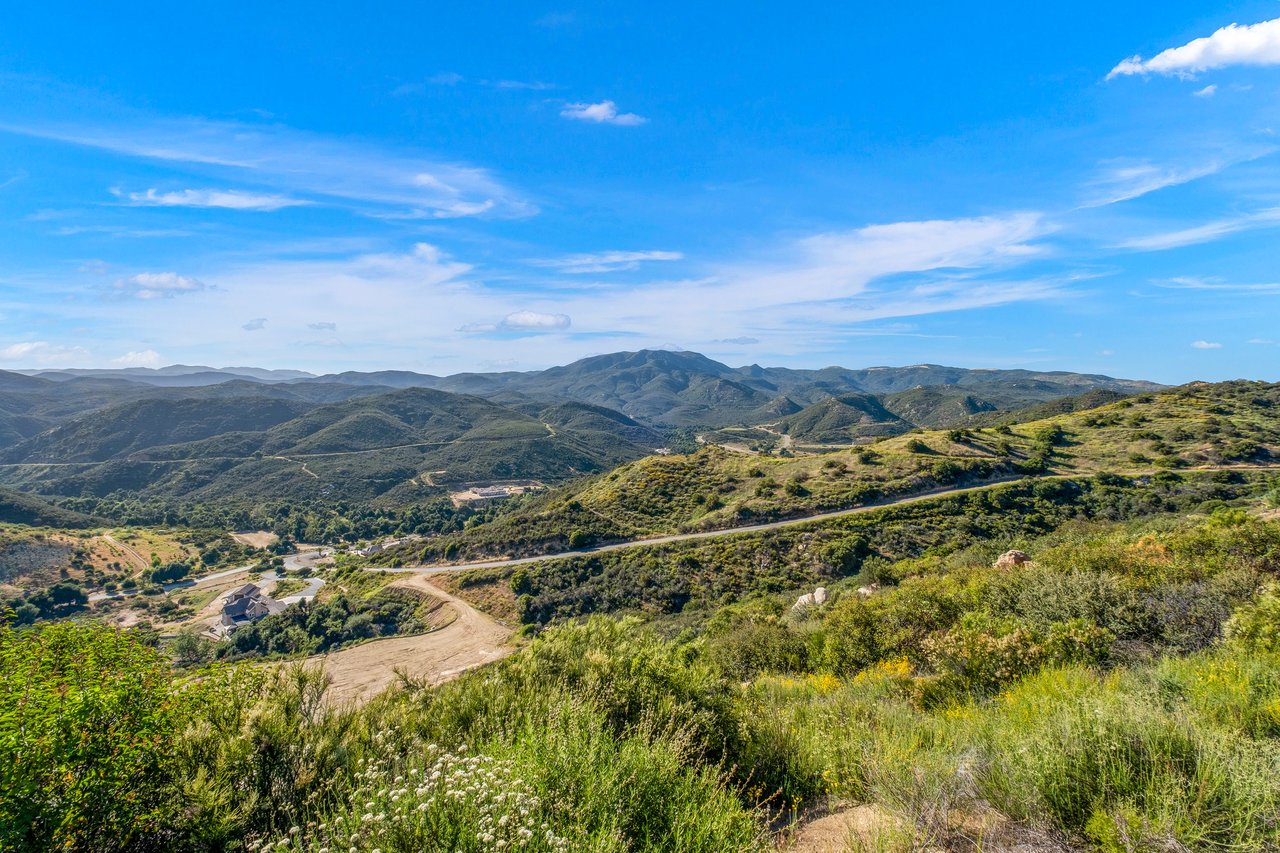
"La Cresta" is the term generally used for the entire Santa Rosa Plateau, as it is the first part of the Plateau to be developed in the 1960s. It represents a significant part of the Plateau, with its border near the entrance, 5878 acres, 887 individual parcels, and 26 miles of private roads. La Cresta Property Owners Association (LCPOA) is one of the six entities that make up the communities of the Santa Rosa Plateau. La Cresta is home to a diverse range of properties, including vineyards, orchards, view homes, and equestrian estates. Residents enjoy a robust recreational trails system, which circumnavigates the entire region with trails for hikers, bicyclists, and, of course, horse enthusiasts.
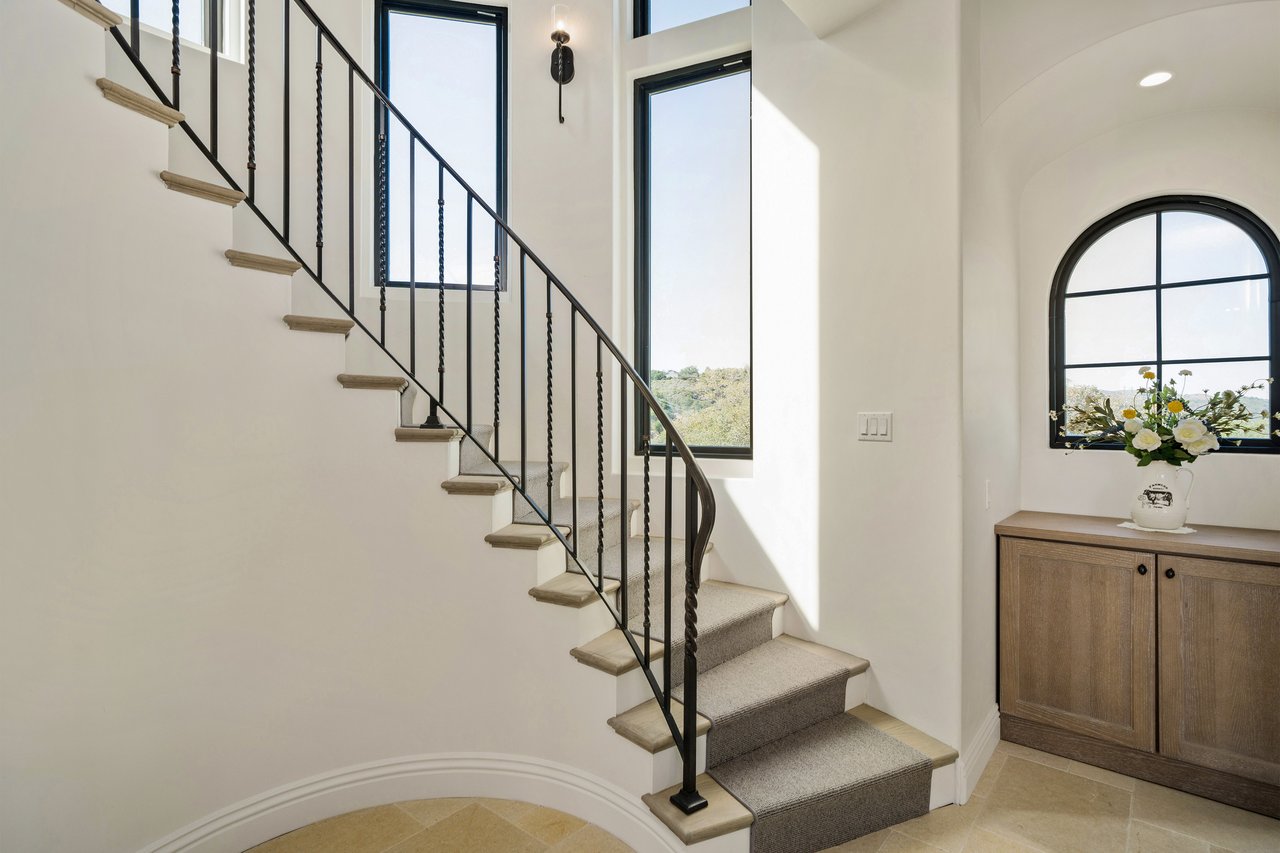
La Cresta and the Santa Rosa Plateau offer one of Southwest Riverside County’s most distinctive luxury lifestyles, defined by expansive acreage, custom estates, equestrian properties, and breathtaking views. Located in the hills west of Murrieta, the area is known for large parcels—typically five acres or more—along with vineyards, orchards, horse facilities, and private ranch estates. Rolling hills, mature oak trees, and extensive private roads create a peaceful, rural atmosphere with an exceptional sense of privacy.
Outdoor living is central to the La Cresta lifestyle, with miles of trails for hiking, horseback riding, and mountain biking and close proximity to the protected Santa Rosa Plateau open space. Despite its tranquil, country-estate setting, La Cresta is conveniently located near Murrieta and Temecula's shopping, dining, schools, golf, and Wine Country. For buyers seeking privacy, acreage, equestrian living, and extraordinary natural surroundings, La Cresta represents a truly unique real estate opportunity in the Temecula Valley.